Short-Term vs Long-Term Rental: Which Strategy Suits Your Greek Property?
You have bought your property in Greece. Now comes the most important operational decision you will make as an owner: how do you rent it? Short-term holiday rentals — through platforms like Airbnb and Booking.com — offer the potential for significantly higher annual income but require active management and carry seasonal risk. Long-term residential rentals offer stability, predictability, and minimal day-to-day involvement, but at a lower yield ceiling. Neither strategy is universally better. The right choice depends on your property type, its location, your appetite for involvement, and what you need the asset to do financially. This guide breaks down both options so you can make the decision with full information.
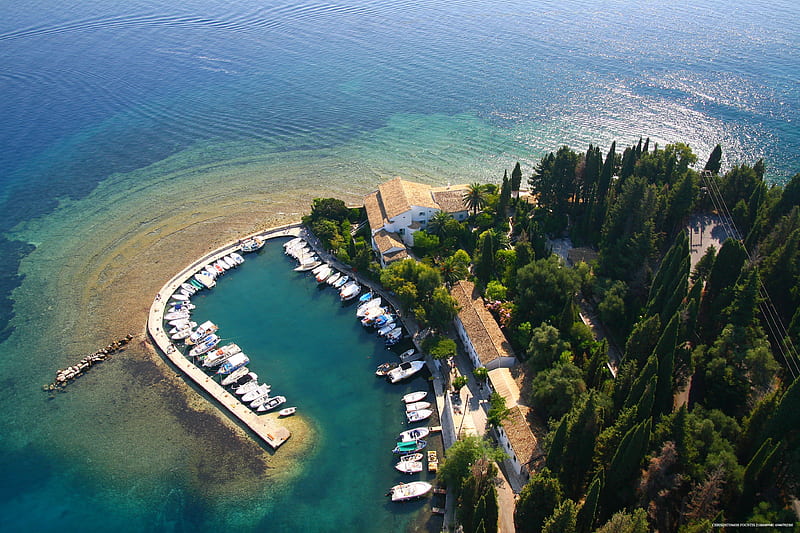
Short-term rental is the higher-yield strategy. A well-positioned one-bedroom apartment in central Athens can generate €40,000–€60,000 gross per year on short-term platforms during strong seasons. An island villa with sea views and private pool can generate €80,000–€150,000 or more. Gross yields of 6–12% are achievable in prime locations. The trade-off is management intensity: short-term rentals require professional cleaning between stays, guest communication around the clock, dynamic pricing management, and consistent maintenance to keep ratings high. Properties also earn the majority of their income during peak season — June through September on most islands — meaning a bad summer significantly impacts annual returns. Athens is more balanced, with year-round short-term demand driven by tourism, conferences, and business travel.
The Long-Term Rental Case: Stability Over Ceiling
Long-term residential rental removes the seasonal variable entirely. A tenant signs a lease — typically twelve months in Greece, with automatic renewal rights after three years — and your income is fixed and predictable regardless of weather, platform algorithm changes, or tourism fluctuations. Gross yields on long-term rentals in Athens run 4–6%, and in popular island towns 3–5%. Management costs are lower: no cleaning turnovers, no guest messaging, no dynamic pricing. Your primary obligations are property maintenance and ensuring the lease complies with Greek tenancy law. The pool of long-term tenants in Athens is deep — students, young professionals, expats, and an expanding community of remote workers — keeping vacancy periods short for well-maintained properties in good locations.

Location is the strongest predictor of which strategy performs better. Island properties — particularly Mykonos, Santorini, Crete, and Rhodes — are natural short-term rental assets: they attract international holiday visitors who book on platforms, stay for one to two weeks, and pay premium nightly rates. Trying to run a long-term rental on a premium Santorini clifftop property would mean leaving significant income on the table. Conversely, an Athens city-centre apartment in a residential neighborhood serves long-term tenants well — and the management simplicity of a twelve-month lease may suit an owner who lives abroad and cannot be actively involved in guest management. Mixed-use locations like Thessaloniki, Heraklion, and Rhodes Town can support either model effectively.
A third option — the hybrid strategy — is increasingly popular among Bofkers clients. Under this model, the property is listed on short-term platforms during peak season (April through October) to capture maximum yield, then rented on a medium-term basis to a digital nomad, student, or expat for the winter months. This approach smooths the seasonal income curve, keeps the property occupied year-round, and avoids the full vacancy of a closed island property in winter. It requires slightly more management than a pure long-term let but significantly less than a full short-term operation, and the blended annual yield typically falls between the two pure strategies.
Before listing any property on a short-term rental platform in Greece, owners must complete a mandatory legal registration. All short-term rental properties must be registered with the Independent Authority for Public Revenue (AADE) and assigned a short-term rental registration number (AMA), which must appear on all platform listings. Failure to register carries significant fines. Income from short-term rentals is subject to Greek income tax at progressive rates (15% up to €12,000, 35% above €35,000), and VAT may apply above certain income thresholds. A Greek accountant familiar with rental income is essential — Bofkers can connect you with the right professionals as part of our post-purchase support.
The decision between short-term and long-term rental ultimately comes down to one question: do you want to maximise income or minimise involvement? For owners who want hands-off, predictable returns, long-term rental is the answer. For owners who want to extract maximum value from a premium asset and are willing to invest in professional management — or use a management company — short-term rental delivers the higher ceiling. At Bofkers, we help you model both scenarios for any property in our portfolio before you buy, so you enter with a clear financial plan rather than discovering the answer after the fact. Contact us to discuss your property and your goals.