Why Greece Is the Smartest Place to Buy Property Right Now
For years, investors eyeing European real estate gravitated toward Spain, Portugal, and Italy. Yet Greece — with comparable coastlines, climate, and culture — has consistently traded at a significant discount. That gap is narrowing. Property prices in prime Greek markets have been rising 7–10% year-on-year, yet entry prices remain 40–60% below equivalent destinations. This is not a market recovering slowly; it is a market accelerating fast, and buyers who move now are locking in values that will look very different in three to five years.
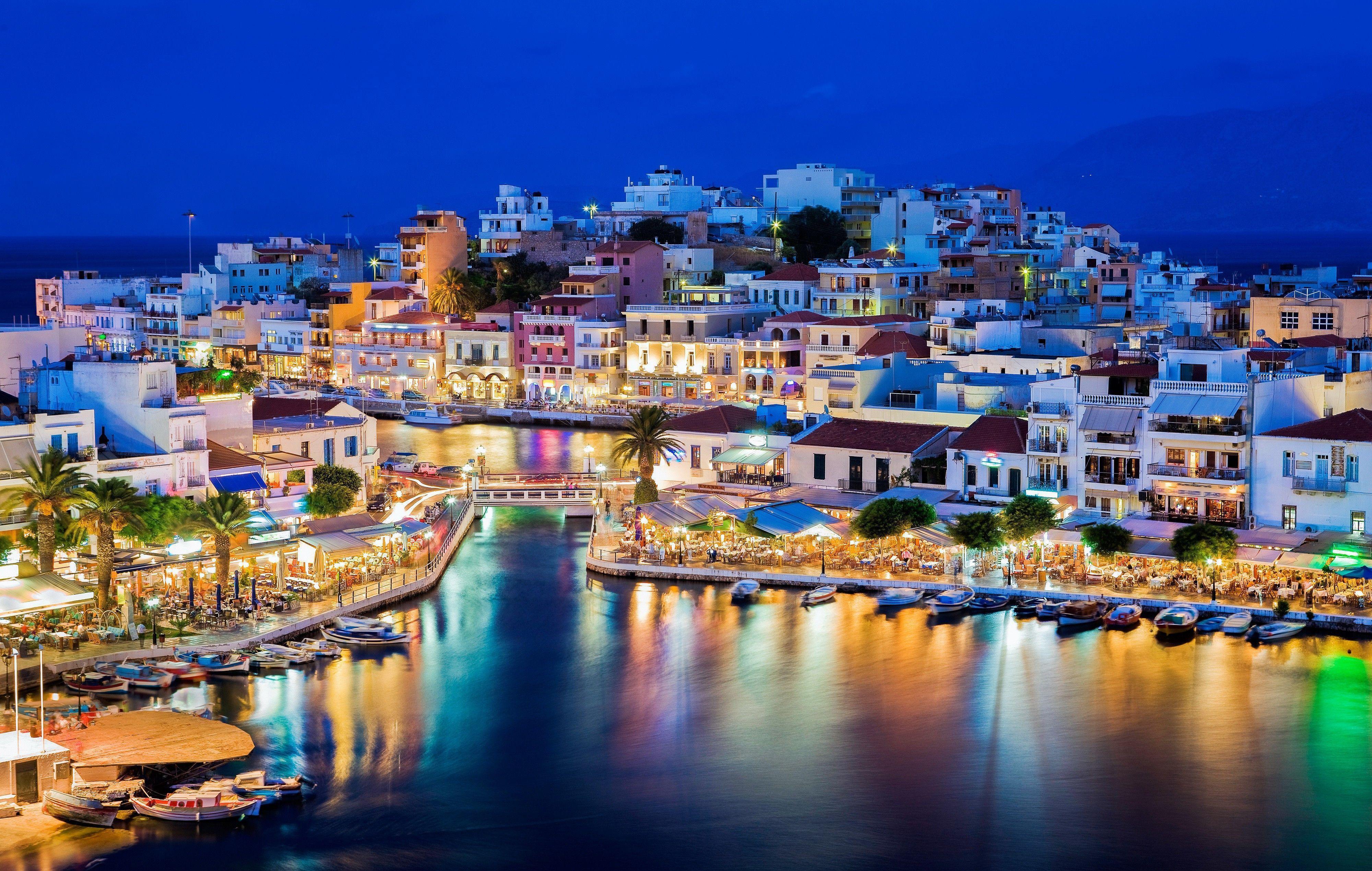
Greece's economic turnaround is the foundation of the investment case. GDP has grown consistently since 2022, unemployment is falling, and the country has fully exited its IMF programme with an upgraded credit rating. Tourism is the engine: Greece broke its all-time visitor record in 2023 and again in 2024, with over 32 million arrivals annually. Every additional tourist is a potential renter — and rental demand in Athens, Mykonos, Santorini, Crete, and Rhodes continues to outpace supply. For property investors, this translates directly into occupancy rates and yield.
The Numbers That Make Greece Stand Out
Short-term holiday rentals in top Greek island destinations generate gross yields of 6–10% annually — among the highest in Europe. Long-term residential rentals in Athens and Thessaloniki deliver steady 4–6% returns. Compare this to Paris (2–3%), London (3–4%), or Lisbon (3–5%), and Greece's income potential becomes immediately clear. Entry prices reinforce the case: prime Athens neighborhoods average €2,000–€3,500 per square meter, versus €4,500–€6,000 in Lisbon and €5,000–€7,000 in Barcelona. You are getting more property, more yield, and more upside.

The appreciation story is equally compelling. Athens residential prices have risen over 60% since their 2017 trough, yet they remain well below their pre-crisis peaks — meaning there is still significant room to run. Island markets follow tourism growth, and with Greece positioning itself as a year-round destination rather than a seasonal one, the rental season is lengthening. Investors buying today are entering a market mid-acceleration, not at the top.
For non-EU buyers, the financial case is further strengthened by Greece's Golden Visa program, which grants Schengen residence to qualifying real estate investors. The visa functions as an asset layered on top of the investment — adding liquidity and demand to the resale market, since visa-eligible properties command a premium. Greece also offers a flat 7% income tax rate for foreign retirees relocating to the country and a 50% income tax exemption for remote workers — both of which expand the pool of high-quality long-term tenants.
The window of undervaluation is closing, not opening. Prices in Athens and prime island areas are rising. Foreign investor competition is increasing. The Greek government is actively courting international capital through tax reform and infrastructure investment. Every quarter of hesitation is a quarter of appreciation missed and a higher entry price paid. The buyers who secured properties in Lisbon in 2015 and Barcelona in 2014 understood this same dynamic — Greece today mirrors those markets at the exact moment they inflected.
At Bofkers, we give you direct access to Greece's most promising properties, backed by legal, financial, and local expertise. We handle the complexity — due diligence, tax registration, notary, and property management — so that your investment is protected from day one. If the numbers make sense to you, the next step is a conversation. Reach out to the Bofkers team and let us show you exactly what your budget can achieve in Greece today.